Why is my basement wall wet after it rains in Gaithersburg
Wet basement walls after rain in Gaithersburg usually mean hydrostatic pressure, a failed vapor barrier, or clogged footing drains. Here's how to tell which one you have.
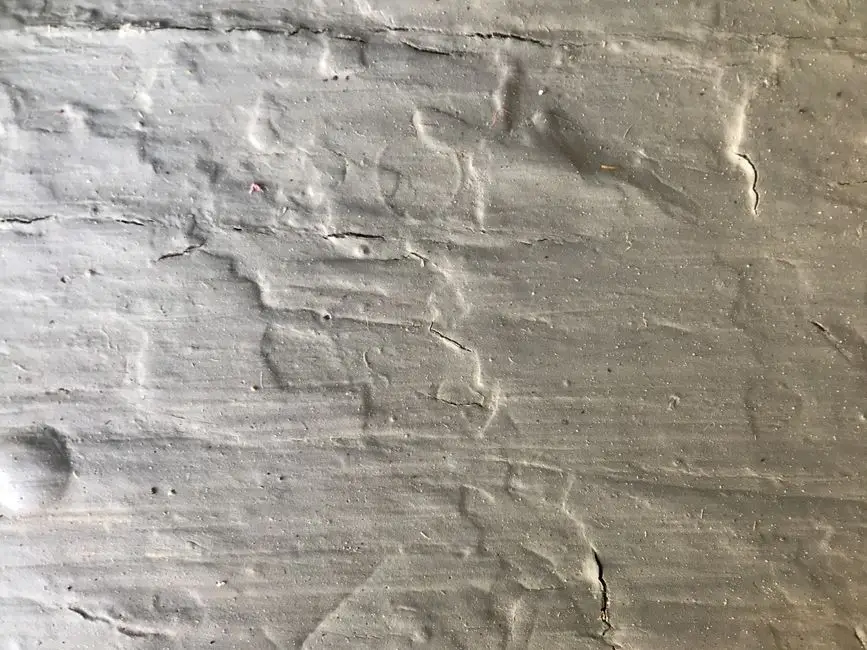
Your basement wall is wet after it rains because water is pushing against the outside of your foundation and finding a path through - usually through a crack, a failed coating, a clogged footing drain, or a gap where the wall meets the floor. In Gaithersburg, that pressure builds fast: our clay-heavy soil holds water like a sponge, and a single 1-inch rainstorm can dump over 2,000 gallons on a typical quarter-acre lot. The rest of this post breaks down each cause, how to tell which one you have, and what actually fixes it.
The short answer: water is finding a path it shouldn't
Why is my basement wall wet after it rains Gaithersburg MD is a question about physics, not luck. When the ground around your foundation saturates, water has nowhere to go but down and sideways. It builds hydrostatic pressure against your basement wall - roughly 62 pounds of force per square foot for every foot of saturated soil depth. A wall that was dry for 20 years can start weeping the first time that pressure finds a pinhole.
Basement water seepage after rain Gaithersburg MD is the result of that pressure overcoming one of four defenses: the exterior waterproofing membrane, the footing drain tile, the wall-to-floor joint, or the vapor barrier behind your finished walls. When any of those fail, you get a wet basement wall.
Here's the part most homeowners miss: the water you see inside is rarely the whole problem. A damp wall in November often means the exterior drain system has been compromised since spring, and the wall has been slowly wicking moisture for months. By the time it's visible, you may already have mold spores colonizing the drywall paper and rim joist.
Why Gaithersburg's soil and weather make this worse
Gaithersburg sits on a mix of Montgomery County clay and weathered shale that drains poorly compared to sandy or loamy soils. Clay particles are flat and pack tightly, so water moves through them at roughly 0.1 to 0.5 inches per hour - versus 2 to 4 inches per hour in good topsoil. During a heavy summer thunderstorm, that difference means the ground around your foundation is still saturated hours after the rain stops.
Our freeze-thaw cycle adds another layer. From late December through early March, the top 12 to 18 inches of soil freezes and thaws repeatedly. That movement opens hairline cracks in poured concrete walls and separates mortar joints in older block foundations - especially in the ranch homes and split-levels built across Montgomery Village and parts of Gaithersburg in the 1960s and 1970s.
We also see a lot of homes where the grading has settled over 30 to 50 years. A lot that sloped away from the house at 6 inches of fall per 10 feet in 1975 may now slope toward it. That single change redirects thousands of gallons of roof and surface water straight into the foundation drain - or into the soil right against the wall if the drain is clogged.
If you're in one of the neighborhoods where we do a lot of Water Damage Restoration in Montgomery Village, you've probably noticed the same pattern: wet walls after the first big fall rain, then again during spring thaw.
The six most common causes of wet basement walls here
Wet basement walls Gaithersburg Maryland homeowners call us about almost always trace back to one of these six causes. We diagnose them in this order because it saves you money - the cheap fixes come first.
1. Clogged or collapsed footing drain tile
The footing drain is a perforated pipe that runs around the base of your foundation, designed to carry groundwater to a sump pit or daylight outlet. After 25 to 40 years, that pipe silts up, roots invade the joints, or the pipe itself collapses. When it fails, water has nowhere to go but against the wall. This is the single most common cause we find in homes built before 1990.
2. Hydrostatic pressure through cracks and cold joints
Poured concrete walls almost always have a cold joint where the wall meets the footing - a seam formed when one pour cured before the next was placed. That seam is the weakest point in the wall. Under pressure, water finds it. Hairline cracks from settling or freeze-thaw do the same thing.
3. Failed exterior waterproofing membrane
Most homes built after 1980 have a bituminous or rubberized membrane sprayed on the exterior of the foundation. That membrane has a lifespan of roughly 20 to 30 years. Once it delaminates or tears, water contacts the bare concrete directly and wicks through.
4. Poor grading and downspout discharge
If your downspouts dump within 3 feet of the foundation, or your grading has settled so water pools against the wall, you're feeding the problem every time it rains. We've measured soil saturation 4 to 6 feet deep against walls where downspouts discharged too close.
5. Window wells without proper drainage
Basement window wells fill with leaves and silt. When the gravel at the bottom clogs, the well becomes a bathtub, and water pours through the window frame or seeps through the wall around it.
6. Capillary action through block or brick foundations
Concrete block and brick are porous. Water wicks upward through the material itself - you'll see a horizontal tide line on the wall, usually 6 to 24 inches above the floor. This is common in pre-1960 homes around Olde Towne Gaithersburg.
How to tell where the water is actually coming from
Before you spend money on a fix, spend 20 minutes identifying the source. The location and pattern of the moisture tells you almost everything.
- Water at the wall-floor joint only: almost always hydrostatic pressure or a failed footing drain.
- Water high on the wall, near the top: grading, downspouts, or a window well issue.
- Horizontal tide line across the middle of the wall: capillary action through the block itself.
- White chalky powder (efflorescence): water has been moving through the wall for months, leaving mineral salts behind.
- Musty smell but no visible water: moisture is trapped behind finished walls - check the vapor barrier.
- Water only after heavy, sustained rain (2+ inches): footing drain or exterior membrane failure.
- Water after any rain, even light: grading or downspout problem, or an active crack.
One more test: tape a 12-inch square of aluminum foil to the wall, sealed on all four sides, and leave it for 48 hours. Moisture on the inside of the foil means water is coming through the wall. Moisture on the outside means it's condensation from humid basement air - a different problem entirely.
How do I stop water from coming through my basement wall in Gaithersburg?
You stop it by removing the water pressure first, then sealing the wall - in that order. Sealing a wall while the pressure is still there just pushes the water to the next weakest point, which is usually the floor or the other side of the basement.
Here's the sequence we follow on almost every job:
- Fix the easy stuff first. Extend downspouts 6 to 10 feet from the foundation. Re-grade so soil slopes away at 6 inches per 10 feet. Clear window wells and add fresh gravel. This alone solves roughly 20 to 30 percent of the wet-wall calls we run.
- Clear or replace the footing drain. If the drain tile is clogged or collapsed, it needs to be jetted, re-lined, or replaced. This is exterior work and typically runs $3,000 to $12,000 depending on access and length.
- Address the wall itself. Cracks get injected with polyurethane or epoxy. Porous block walls get an interior drainage membrane that channels water to a sump. Exterior membrane replacement is the most thorough fix but also the most expensive.
- Manage interior water. An interior perimeter drain and a properly sized sump pump with a battery backup keeps the floor dry even when the exterior system is overwhelmed.
- Dry out and treat what's already wet. Any wall that's been wet for more than 48 hours needs to be dried with commercial air movers and dehumidifiers, and any organic growth treated before the wall is closed back up.
Typical 2026 pricing in this area for a full interior drainage and sump system runs $4,500 to $9,000 for an average 1,000-square-foot basement. Crack injection alone is $400 to $800 per crack. Exterior membrane replacement is $12,000 to $25,000 because it involves excavation.
If the wall has already been wet long enough to soak drywall, insulation, or carpet, that's a different job. Our team handles Water Damage Repair in Gaithersburg for exactly this situation - extracting standing water, drying the structure, and treating for mold before we address the source.
Common mistakes we see homeowners make
The most expensive mistake is sealing the inside of the wall before the exterior water problem is fixed. That traps pressure and pushes water to the floor joint, where it does more damage than it did on the wall.
Other mistakes we run into constantly:
- Painting over efflorescence. The white powder is a symptom, not the problem. Paint traps moisture and peels within a season.
- Using hydraulic cement on an active crack. It sets fast but doesn't flex. The crack reopens with the next freeze-thaw cycle.
- Running a household dehumidifier as the only fix. A 50-pint unit pulls about 50 pints per day. A wet basement wall releases gallons per day. It's a losing battle.
- Ignoring the smell. Musty odor means mold is already growing. By the time you smell it, spores have colonized the framing and drywall paper.
- Waiting for spring. Water damage compounds. A wall that's been wet since October will have more mold, more rot, and a bigger repair bill by April.
When to call a professional
Call us when the water is more than a damp spot, when you can smell it, or when you've already tried the grading and downspout fixes and the wall is still wet. Those three signals mean the problem is below grade and needs equipment you don't have.
Specifically, call Water Damage Restoration if:
- Water is actively running or pooling during a rainstorm.
- The wall has been wet for more than 48 hours.
- You see mold, dark staining, or bubbling paint.
- The floor is wet, warped, or soft underfoot.
- Your sump pump runs constantly or has stopped working.
- You've had water in the basement more than twice in the past year.
We find the source, dry the structure, fix the entry point, and verify the wall stays dry through the next storm before we close the job. If the damage is extensive - flooded floor, soaked drywall, standing water - that's flood damage in Gaithersburg territory, and we handle it with the same crew.
We also work with a lot of homeowners just north of us along the Potomac, where the water table sits higher and the soil stays saturated longer. If you're in that area, our Water Damage Restoration in North Potomac team sees the same pattern: wet walls after every multi-day rain event.
Frequently Asked Questions
Why is my basement wall wet after it rains in Gaithersburg MD?
Water is pushing against your foundation and finding a path through - usually a crack, a failed exterior membrane, a clogged footing drain, or the wall-floor joint. Gaithersburg's clay soil holds water long after rain stops, so pressure stays high for hours or days.
How do I stop water from coming through my basement wall in Gaithersburg?
Remove the water pressure first: extend downspouts 6 to 10 feet, re-grade soil to slope away, and clear window wells. If the wall is still wet, the footing drain or exterior membrane has failed and needs professional repair. Sealing the inside before fixing the outside makes it worse.
Does a wet basement wall mean water damage in Gaithersburg Maryland?
Not always, but it usually means damage is starting. A wall wet for more than 48 hours can grow mold and rot framing. If you see staining, smell mustiness, or the wall stays damp between storms, get it inspected within a week.
How much does basement water seepage repair cost in Gaithersburg MD?
Typical 2026 pricing: crack injection runs $400 to $800 per crack. Interior drainage and sump systems run $4,500 to $9,000 for an average basement. Exterior membrane replacement runs $12,000 to $25,000 because it requires excavation.
What should I do when basement walls are wet in Gaithersburg?
Move anything stored against the wall, run a dehumidifier, and photograph the moisture pattern. Don't paint or seal the wall yet. Call a restoration pro within 48 hours if the wall is still wet or you smell mustiness - mold starts fast in a damp basement.
Get help with Water Damage Restoration in Gaithersburg
A wet basement wall after rain is a solvable problem, and the sooner you address it, the cheaper it gets. We handle everything from emergency extraction to permanent waterproofing for homeowners across Gaithersburg and the surrounding Montgomery County communities.
Call us at 123456789 and we'll get a crew out to find the source, dry the space, and stop the water for good.