Burst pipe or supply line failure
We shut off the water, extract standing water, and use thermal imaging to trace moisture inside walls. Affected drywall and insulation come out, the cavity dries, and we repair the pipe area and rebuild.
When flood damage in Gaithersburg soaks your basement, we pull the water, dry the structure, and repair what the moisture wrecked. Our technicians handle burst pipes, sump pump failure, sewage backup, and storm flooding across Montgomery County. We answer 24/7, arrive with extraction and drying equipment, and document everything for your insurance claim. One call starts the whole process.
Tell us what is happening. Our local team will confirm your visit shortly.
Call Now 123456789 → No spam. No obligation. Just practical help.
Flood damage in Gaithersburg is the water intrusion, saturation, and structural harm that follows a burst pipe, sump pump failure, sewage backup, or storm flooding. It is not just a wet floor. Water wicks into drywall, insulation, carpet padding, baseboards, and subfloor within hours, and mold growth can start in 24 to 48 hours. Our job is to stop the source, extract standing water, dry the structure to ANSI/IICRC S500 standards, and repair the materials that absorbed moisture.
Gaithersburg homes deal with a specific mix of water problems. Older ranchers and split-levels near the 20878 and 20877 ZIP codes have aging supply lines and cast-iron drains. Finished basements in Montgomery Village and North Potomac sit below grade, where basement seepage and sump pump failure show up after every heavy spring rain. Frozen pipes crack during January cold snaps. If you are searching for emergency water damage repair near me after a pipe lets go at 2 a.m., we run crews around the clock.
Every flood damage job starts with the same core: stop the source, extract water, dry the structure, and document the loss. From there, the scope depends on water category, how long it sat, and what materials absorbed it. Here is what is standard on a Gaithersburg flood damage job.
Wet/dry vacuums and truck-mounted extraction remove standing water from carpet, hardwood, tile, and concrete. We pull water fast to limit how far it wicks into walls and subfloor.
Dehumidifiers, air movers, and drying mats are positioned based on moisture readings and thermal imaging. Equipment stays until materials hit dry standard, verified daily.
Affected framing, subfloor, and wall cavities get antimicrobial applied after extraction. This slows mold growth while the structure dries, especially on jobs where water sat more than 24 hours.
Carpet padding, saturated drywall, and insulation that cannot be dried are removed and disposed of. We cut clean lines and bag debris so the space stays workable.
Once dry, we replace drywall, insulation, baseboards, and flooring, then seal and paint. You get a finished space, not a dried-out shell waiting on another contractor.
Photos, moisture logs, and an Xactimate-compatible estimate are prepared for your adjuster. You receive copies of everything submitted with the claim.
Call us any hour. We ask what flooded, where the water is coming from, and whether the power is safe. You get a crew dispatched with extraction equipment, moisture meters, and thermal imaging cameras. Most Gaithersburg addresses see a technician within 60 to 90 minutes.
We find the source and map how far water traveled. Moisture meters and a thermal imaging camera read inside walls and under flooring without tearing everything open. You get a written scope with the drying plan, equipment count, and expected timeline before work begins.
Wet/dry vacuums and truck-mounted units pull standing water from carpet, hardwood, and concrete. We remove carpet padding that cannot be saved and check the subfloor for saturation. Extraction usually takes 2 to 6 hours on a standard basement job.
We position dehumidifiers, air movers, and drying mats to pull moisture out of drywall, framing, and subfloor. Technicians check readings daily and adjust equipment until materials hit dry standard. Most structures dry in 3 to 5 days.
Once dry, we replace drywall, insulation, baseboards, and flooring, then seal and paint. You get a final walkthrough with moisture readings showing the structure is dry. We leave the workspace clean and hand over documentation for your records.
Purpose-built equipment, used by trained technicians — so the job is done accurately the first time.
Reads moisture content in drywall, framing, and subfloor so we know exactly where water traveled and when materials hit dry standard.
Shows temperature differences behind walls and under floors, revealing trapped moisture without tearing everything open.
Pull moisture out of the air so wet materials can release water and dry faster.
Keep air moving across wet surfaces to speed evaporation from drywall, framing, and flooring.
Captures fine debris and spores during demolition so the air stays cleaner while we work.
Pull moisture out of hardwood and specialty flooring without causing the boards to cup or warp.
Removes standing water from carpet, concrete, and tight spaces before drying equipment goes in.
A Montgomery Village basement took on two inches of water when the sump pump failed during a spring storm. Carpet, padding, and the bottom 12 inches of drywall were saturated, and the space smelled musty within a day.
We extracted the water, removed carpet, padding, and wet drywall, and dried the slab and framing in four days. New padding, carpet, baseboards, and drywall went back in. Final moisture readings matched dry standard across all materials.
A supply line to an upstairs bathroom in a 20878 rancher cracked overnight. Water ran through the ceiling and soaked insulation and drywall above the living room. The ceiling sagged in two spots by morning.
We stopped the water, opened the ceiling, removed wet insulation, and dried the cavity in three days. New insulation and drywall went up, and the ceiling was sealed and painted. No moisture remained in the framing.
A sewage backup pushed into a ground-floor unit near 20877. Carpet, padding, and baseboards absorbed Category 3 water, and the space needed disinfection before anything could be rebuilt.
We removed all affected porous materials, treated framing and subfloor with antimicrobial, and dried the structure in five days. New flooring and baseboards were installed, and the unit passed a final moisture check before the tenant moved back in.
Most flood calls come down to a handful of failures. Here is what we see most often and how we handle each one.
Ask a pro →We shut off the water, extract standing water, and use thermal imaging to trace moisture inside walls. Affected drywall and insulation come out, the cavity dries, and we repair the pipe area and rebuild.
We extract water, remove saturated carpet and padding, and dry the slab and framing with dehumidifiers and air movers. Antimicrobial goes down before we rebuild. Most basements dry in 3 to 5 days.
We isolate the area, remove affected materials, treat framing and subfloor with antimicrobial, and dry the structure. Documentation is built for the insurance claim from the first hour on site.
We locate the break, stop the water, and map the moisture path with a thermal imaging camera. Multi-level jobs get zoned drying setups so each area hits dry standard on its own timeline.
Most residential flood damage cleanup in Gaithersburg runs $1,200 to $6,500 in 2026, depending on water category, square footage, and how much material has to be removed. A small basement extraction and dry might land near the low end. Sewage backup cleanup with demolition and antimicrobial treatment pushes toward the high end. We give you a written scope and price before work starts.
A flooded basement in Gaithersburg usually dries in 3 to 5 days with proper equipment. That assumes dehumidifiers, air movers, and drying mats are running continuously and technicians check moisture readings daily. Category 3 water, like sewage backup, takes longer because affected materials come out first. We do not pull equipment until readings hit dry standard.
Yes. Burst pipes and sump pump failure are two of the most common calls we run in Gaithersburg. We shut off the water or isolate the failed pump, extract standing water, and dry the structure. If the pipe or pump needs repair, we coordinate that so drying can start. Frozen pipes in January and spring sump failures keep us busy.
Most homeowners policies cover sudden water damage like a burst pipe, appliance leak, or water heater failure. Storm flooding and surface water usually need separate flood insurance. We document the loss with photos, moisture logs, and an Xactimate-compatible estimate so your adjuster can process the claim. We work directly with most major carriers.
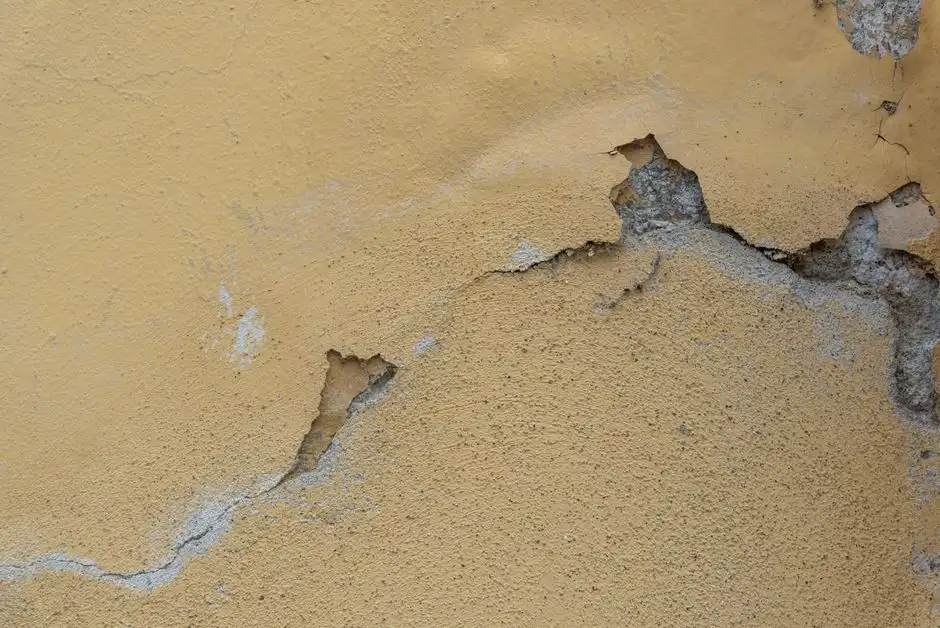 Water Damage RepairAfter extraction and drying, water damage repair puts your Gaithersburg home back together. We replace drywall, insulation, baseboards, and flooring, then seal and paint. Repairs are handled by the same crew that dried the structure, so nothing gets lost between phases.Explore →
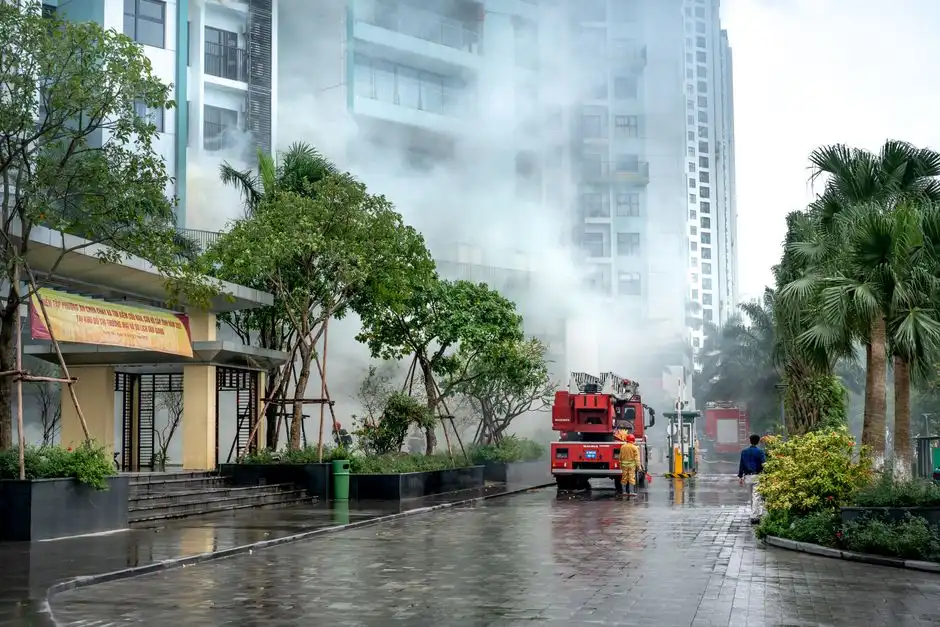 commercial water damage restorationFlooding in a Gaithersburg office, retail space, or restaurant needs a different plan. Commercial water damage restoration covers large-loss extraction, overnight drying schedules, and documentation that keeps your business open. We work around your operating hours to limit downtime.Explore →
Water spreads fast, and every hour raises the repair bill. Call our 24/7 line and we will dispatch a certified crew to extract, dry, and document the damage. MHIC-licensed, IICRC-certified, and insured in Maryland.
Call Now 123456789 →We answer the phone 24 hours a day, seven days a week, including holidays. Most Gaithersburg addresses see a truck within 60 minutes of the call. If you are standing in water right now, call us before you do anything else.